10 Things to Know Before Building Your First Home in Western Uganda
You have bought your plot in Mbarara, Fort Portal, or Kabale — congratulations. That is a big step. But before you call a fundi or buy a single bag of cement, there are things you need to sort out first. We see first-time builders make the same mistakes every year, and most of them happen before construction even starts.
1. Verify Your Land Title
Before anything else, confirm your land title is legitimate. Visit the Ministry of Lands office in your district and verify the title is not duplicated or disputed. In Western Uganda, boundary disputes are common — especially on family land. Do not spend a shilling on construction until your ownership is clear.
2. Test Your Soil
Western Uganda sits on varied terrain — volcanic soils around Fort Portal, expansive clay in parts of Mbarara, and rocky ground in Kabale. Each soil type demands a different foundation. A simple soil test costs between UGX 300,000 and 500,000, but it can save you millions in foundation repairs later. Never skip this.
3. Get a Proper Building Plan
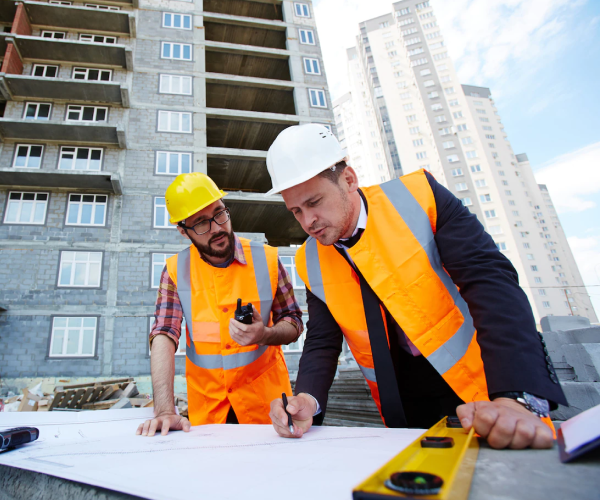
A qualified engineer or architect should draw your plan — not a fundi sketching on graph paper. A proper plan includes structural calculations, material specifications, and a realistic bill of quantities. It also makes it easier to get approvals from your local authority.
4. Budget Honestly — Then Add 20%
Most first-time builders budget for the structure they can see — walls and a roof. They forget site preparation, drainage, the septic tank, electrical wiring, plumbing, window frames, doors, and finishing. A realistic budget covers everything from clearing the plot to moving in. And always keep a 20% contingency because surprises will come.
5. Understand Your Foundation Options
On flat ground in Mbarara, a simple strip foundation may be enough. On the hills of Kabale or Fort Portal, you may need a stepped or raft foundation. The hilly terrain of Western Uganda means your foundation cost could be 25–40% of your total build cost. Do not let anyone convince you to cut corners here.
6. Source Materials Locally Where Possible
Transporting materials from Kampala to Western Uganda adds significant cost. Sand, aggregate, and bricks can often be sourced locally at better prices. Cement and steel may need to come from larger suppliers, but always compare prices between Mbarara, Kasese, and Fort Portal before ordering.
7. Plan for Water and Power Early
Do not leave water and electricity as an afterthought. If your plot is far from the NWSC line or the UMEME grid, you need to budget for a borehole or rainwater harvesting, and possibly solar. These are not extras — they are essentials, and they cost real money.
8. Hire a Supervisor, Not Just Fundis
A team of fundis without proper supervision will make decisions you did not approve. Hire a site supervisor or clerk of works — someone who checks quality daily, verifies measurements, and ensures your materials are not walking off site.
9. Build in Phases If You Must — But Plan the Whole Thing
There is no shame in building in phases. Many people in Western Uganda build their foundation one year, walls the next, and roof the year after. But plan the entire house from the start. If you change the plan halfway, you waste money on rework and end up with a house that does not flow properly.
10. Do Not Rush the Curing
Western Uganda highlands can be cool and damp, which actually helps concrete curing — but only if you give it time. Concrete needs at least 7 days of proper curing before you load it. Rushing this step leads to weak foundations and cracked walls that show up within the first year.
Building your first home is exciting. But the difference between a house that lasts and one that gives you problems starts with the decisions you make before the first brick is laid. Take your time, plan properly, and ask for professional advice where it matters.